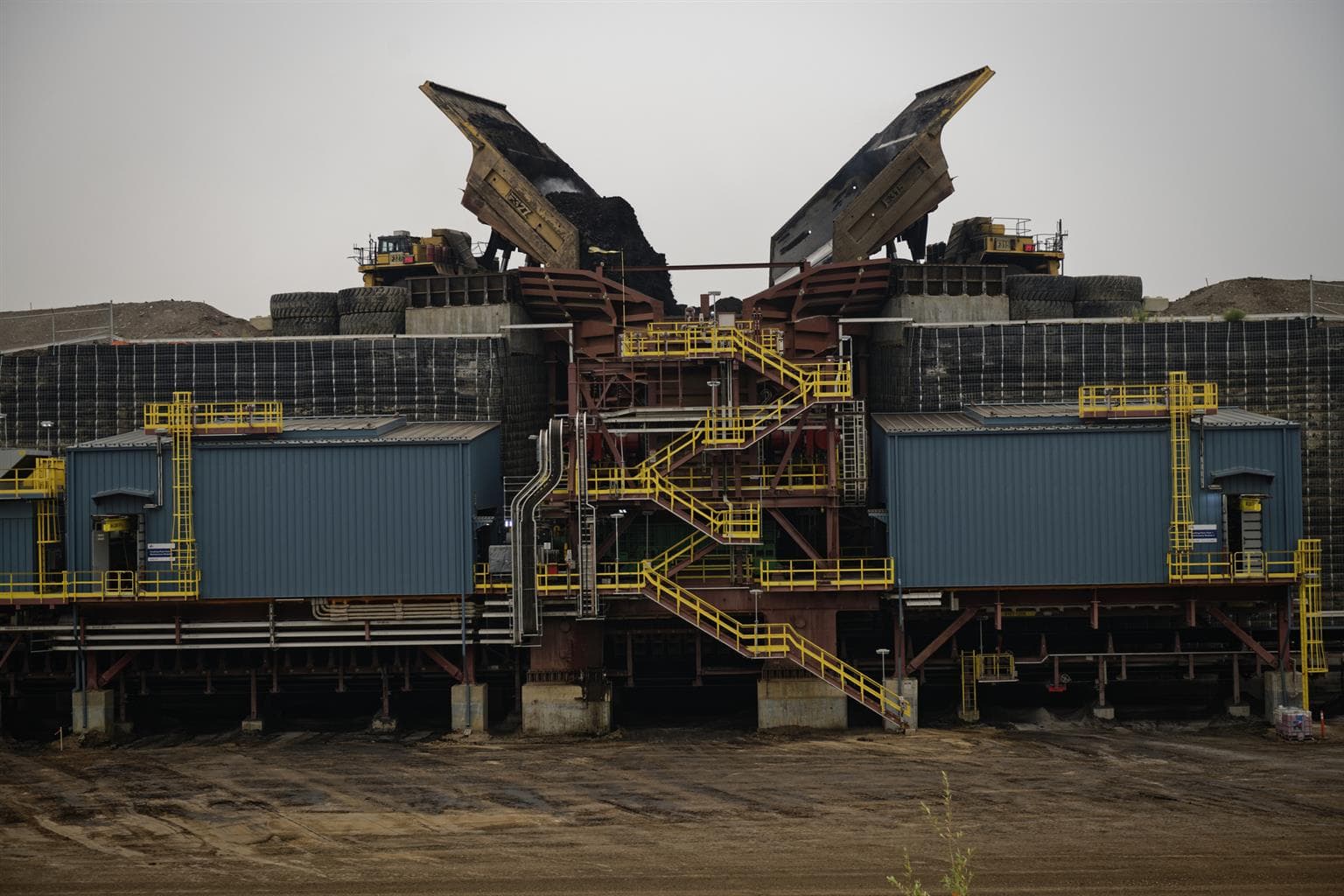
Recent weeks have brought sobering news from northern Alberta. Two separate workplace fatalities occurred at major oilsands operations near Fort McMurray, one at a site operated by Cenovus Energy and another at a site operated by Suncor Energy. Both incidents involved contractor personnel working on active industrial sites and are currently under investigation by Alberta Occupational Health and Safety.
At TruStar Safety, we believe it is critical to approach events like these with care, humility, and purpose. First and foremost, we extend our sincere condolences to the families, friends, and coworkers affected by these tragic losses. Behind every safety statistic is a real person, someone who went to work expecting to return home.
While investigations will ultimately determine the official causes, these incidents present an important opportunity for learning and reflection across the construction, energy, and industrial sectors.
Why Discuss Incidents While Investigations Are Ongoing?
There is often discomfort around discussing incidents before final reports are issued, and rightly so. Speculation helps no one. However, learning does not require assigning blame. Safety discussions can focus on systems, controls, and risk awareness without drawing conclusions about fault or compliance.
When used properly, real-world incidents can reinforce hazard awareness, encourage meaningful safety conversations, highlight gaps in planning, supervision, or controls, and prompt proactive reviews of existing procedures. The goal is not to point fingers. It is to prevent the next tragedy.
Incident Overview
Based on publicly available information, one incident involved workers engaged in material handling activities, where a load shifted during unloading, resulting in a fatal injury and a serious injury. The second incident involved mobile equipment operating on unstable ground conditions, where equipment reportedly became compromised by terrain.
No personal names are being shared, and details may change as investigations progress. What is clear is that both incidents occurred during routine work activities, tasks many crews perform daily across Alberta. That alone should give us pause.
Key Safety Themes Worth Discussing
Routine Work Is Often the Most Dangerous
Many serious incidents occur during tasks that feel normal: unloading materials, equipment travel, ground work and staging, and early or late shift activities. Familiarity can lead to risk normalization, where hazards are underestimated because the task has been done a hundred times before.
Discussion prompt: Which routine tasks on our site carry the highest potential consequence if something goes wrong?
Line-of-Fire and Stored Energy Hazards
Material handling incidents frequently involve gravity, rolling or shifting loads, unsecured materials, and workers positioned within line-of-fire zones. Even with experience and training, a small change in conditions (ground slope, load binding, weather, or equipment position) can result in catastrophic outcomes. If a load can move, roll, fall, swing, or collapse, someone must not be in its path.
Discussion prompt: Are our exclusion zones clearly defined, enforced, and respected during material handling?
Ground Conditions and Equipment Stability
Northern Alberta worksites often involve muskeg, frost-affected soils, thawing ground, and variable compaction. Mobile equipment stability is directly tied to ground assessment and ongoing monitoring, not just pre-job planning. Ground conditions can change rapidly due to temperature fluctuations, water saturation, repeated traffic, and seasonal transitions.
Discussion prompt: How often do we reassess ground conditions after work has already started?
Contractor and Owner Shared Responsibility
Large industrial sites rely heavily on contractor workforces. While contractual lines may exist, hazards do not respect organizational boundaries. Effective safety systems require clear role definitions, strong owner oversight, empowered contractor supervision, and open stop-work authority without fear of repercussion.
Discussion prompt: Do contractors on our site feel genuinely supported when they raise safety concerns or stop work?
Hazard Assessments Must Be Living Documents
Job hazard analyses, FLHAs, and hazard assessments are only effective when they reflect current conditions, are updated when scope or environment changes, and are understood, not just signed. Paper compliance without engagement provides a false sense of security.
Discussion prompt: When was the last time we changed a hazard assessment mid-task because conditions shifted?
Turning Tragedy Into Action
The most respectful way to honour those lost is through meaningful change. Organizations should consider using incidents like these as catalysts to review material handling procedures, re-evaluate exclusion zone standards, audit ground condition assessment practices, reinforce stop-work authority, conduct leadership-led safety stand-downs, and encourage worker-led hazard identification. These conversations should happen before investigations conclude, because waiting does not reduce risk.
A Final Word
Workplace fatalities affect far more than a single jobsite. They ripple outward, into families, communities, and entire industries. Every safety professional, supervisor, and worker has felt that weight at some point in their career.
At TruStar Safety, we believe safety is not about perfection. It is about constant vigilance, humility, and learning. Let these recent events remind us that even experienced teams on well-resourced sites are not immune to serious hazards. Our thoughts remain with the families, friends, and coworkers impacted by these losses. May we honour them by recommitting ourselves to doing the work safely, thoughtfully, and together.